

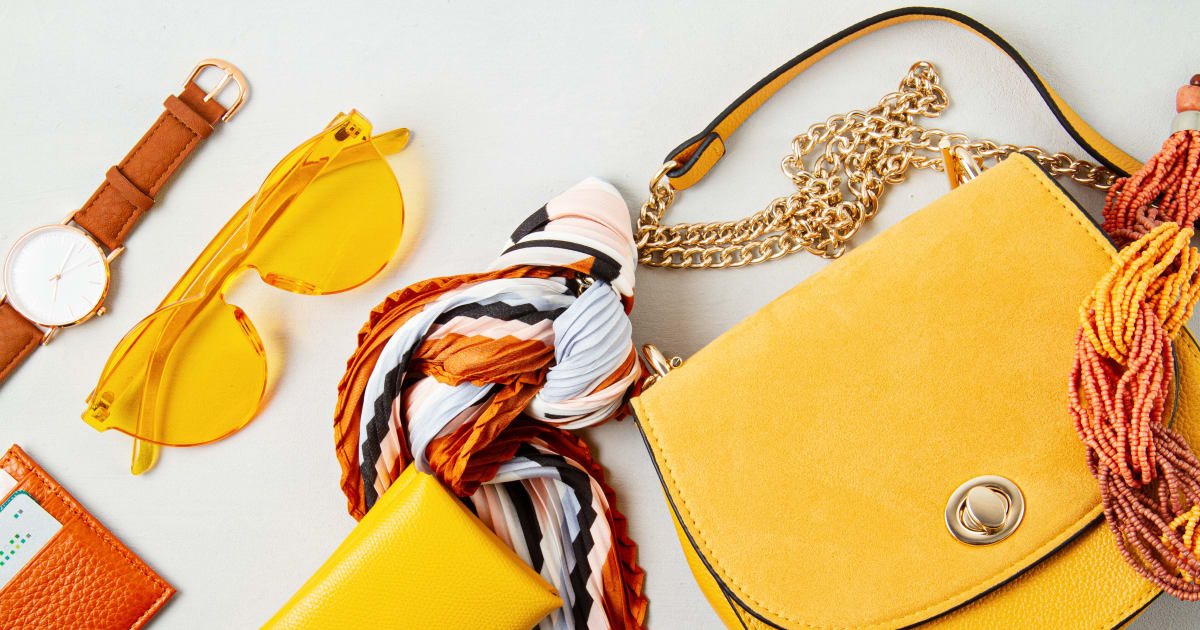
Accessories play an essential role in shaping one’s personal style. Far from being mere adornments, these items are a means of self-expression, offering countless opportunities to complement or transform an outfit. Whether it’s a delicate necklace or a bold handbag, accessories can make an outfit feel complete or give it an entirely new twist. This article explores how accessories are much more than decorative pieces—they are tools that enhance and elevate one’s image and personality.
1. The Role of Accessories in Personal Style
Accessories hold a powerful influence on personal style, far beyond their decorative value. They can reflect one’s tastes, mood, and even individuality. When selected thoughtfully, accessories can take a basic outfit from ordinary to extraordinary. They offer a chance to incorporate colors, textures, and shapes that may not be present in the clothing itself, providing a unique flair. A simple white shirt, paired with the right set of accessories, can evoke an entirely different mood—be it sophisticated, casual, or edgy.
For instance, a scarf made of silk can instantly add a touch of refinement to an otherwise plain outfit, while chunky bracelets or a statement watch can suggest boldness and confidence. Accessories can provide the right level of detail, showing that attention has been paid to all aspects of one’s attire.
2. Types of Accessories
When considering accessories, it’s important to explore the many different categories available. These items range from small, subtle pieces to large, attention-grabbing accessories that become the focal point of an outfit. Some of the most common types include:
-
Jewelry: This is perhaps the most traditional form of accessory. Necklaces, bracelets, rings, earrings, and watches can instantly elevate your appearance. Jewelry can be used to convey elegance or add a playful twist to your style. For instance, a diamond bracelet may signify sophistication, while a leather band watch may convey a sense of casual chic.
-
Bags: A handbag or a clutch can do wonders for one’s overall look. The design, material, and size of the bag can give insight into one’s personality. A structured leather bag often communicates professionalism and elegance, while a slouchy, oversized tote may suggest a relaxed, laid-back aesthetic.
-
Scarves and Shawls: Scarves are highly versatile accessories that can be worn in various ways. A well-chosen scarf can be draped over the shoulders for a regal appearance, tied around the neck for warmth, or wrapped around the head to create a bold fashion statement. A scarf’s colors and fabric can change the vibe of an outfit entirely, from the sleek sheen of silk to the casual warmth of wool.
-
Footwear: Shoes are functional accessories, but they also offer a great opportunity to express personal style. Whether it’s a pair of stiletto heels, vintage boots, or elegant ballet flats, footwear has the power to define the mood of an outfit. The right shoes can complete a look, while the wrong ones can detract from it.
-
Hats and Headwear: Hats are a statement accessory that can be both practical and fashionable. A fedora may evoke a sense of vintage sophistication, while a beanie can lend a cool, streetwise appearance. Hair accessories, such as clips, bands, and headbands, can also enhance one’s look, whether by adding a touch of glamour or offering a playful flair.
-
Belts: Often overlooked, belts are both functional and fashionable. A belt serves to cinch in the waist, adding shape to an outfit, while also contributing to the aesthetic. A thick leather belt may suggest a more rugged, masculine style, while a thin, embellished belt can add a feminine, delicate touch.
3. Choosing the Right Accessories
Selecting the right accessories is an art form in itself. To do so effectively, one must consider several factors, such as the occasion, personal taste, and the overall theme of the outfit.
-
Occasion: Accessories should always be chosen with the occasion in mind. A formal dinner may call for understated elegance—perhaps a string of pearls or a simple clutch bag. On the other hand, a casual day out may allow for more playful choices, such as colorful bangles or a cross-body bag with a fun design.
-
Personal Style: One of the key aspects of choosing accessories is ensuring they align with your personal style. The right accessories should feel authentic and reflect your tastes. If you favor minimalist clothing, you may choose sleek, subtle pieces. If you prefer a more eclectic approach, then layered necklaces, bold earrings, and mix-and-match rings might better suit your style.
-
Balance: It’s essential to strike a balance when wearing accessories. Too many bold pieces can overwhelm an outfit, while too few may leave it feeling unfinished. For example, if wearing a statement necklace, consider keeping other jewelry minimal. If your outfit is already vibrant or busy, opting for simple, elegant accessories may be the best choice.
4. Timelessness of Accessories
Accessories have the remarkable ability to transcend trends. While fashion may change from season to season, many accessories remain timeless. A classic watch, a pearl necklace, or a leather handbag can be worn for years without losing their appeal. These enduring pieces are the foundation of a well-curated accessory collection. They can be passed down through generations, serving as cherished items that connect the past with the present.
Investing in quality accessories, therefore, not only enhances your wardrobe but also ensures that you are making a long-term style statement. Unlike clothing, which is often discarded after a few seasons, a well-crafted accessory has the potential to retain its beauty and relevance.
5. The Psychological Impact of Accessories
There is more to accessories than their visual appeal. The right accessory can influence how others perceive you and how you feel about yourself. For example, wearing a pair of statement earrings may make you feel more confident, while a brightly colored handbag may lift your spirits. Accessories give individuals the power to command attention or convey subtlety, depending on the occasion and the choice of item.
Similarly, accessories can offer psychological benefits to the wearer. For instance, a well-chosen necklace or bracelet may remind one of a cherished memory or a significant milestone. In this way, accessories become much more than a decorative element—they carry sentimental value and contribute to one’s emotional well-being.
6. Caring for Your Accessories
Proper care is essential to maintaining the beauty and longevity of your accessories. Each type of accessory—whether it’s jewelry, bags, or shoes—requires specific attention. For example, jewelry should be cleaned regularly to prevent tarnishing, while bags should be stored properly to maintain their shape. Shoes must be polished and conditioned to retain their luster.
By caring for your accessories, you ensure that they continue to enhance your style for years to come.
Conclusion
Accessories are far more than just decorative elements; they are powerful tools that can define, enhance, and transform your personal style. Whether it’s a timeless piece of jewelry, a chic handbag, or a statement scarf, accessories offer endless possibilities for self-expression. By thoughtfully selecting and caring for these items, one can enjoy not only their aesthetic value but also the confidence and joy they bring.
Comments are closed.