

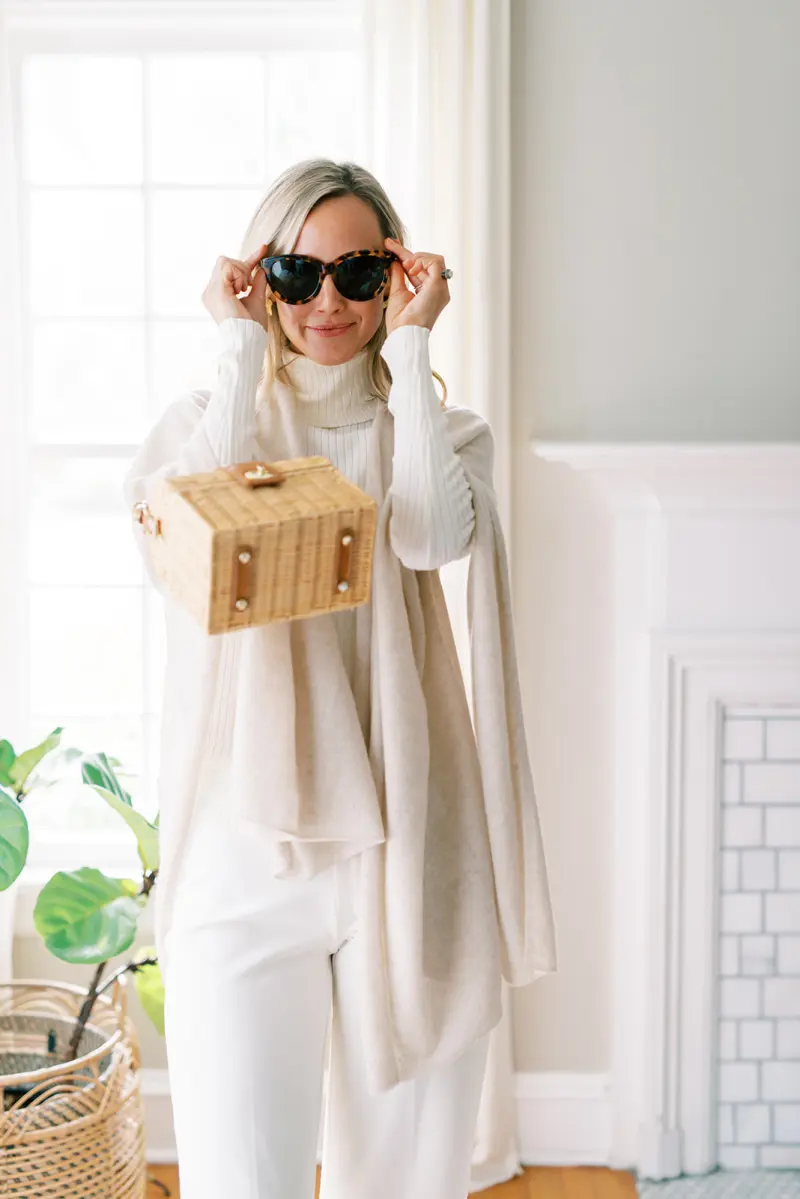
Classic clothing pieces are the backbone of a timeless wardrobe. They never go out of style, adapt to trends effortlessly, and offer endless versatility. The key isn’t owning more clothes—it’s knowing how to style the classics in modern, intentional ways.
Below is a practical guide to styling timeless staples so they feel fresh, current, and personal.
Start With Fit: The Foundation of Classic Style
No matter how iconic the piece, poor fit can ruin the look.
Fit-focused styling rules
- Tailor blazers, trousers, and coats for clean lines
- Avoid overly tight or overly baggy silhouettes
- Prioritize comfort—confidence shows in posture
A well-fitted classic instantly looks polished without effort.
Styling a White Shirt Beyond the Basics
The white shirt is one of the most versatile items in any wardrobe.
Modern ways to wear it
- Half-tucked with tailored trousers
- Layered under a knit vest or blazer
- Worn open over a tank top for a relaxed look
Style tip:
Experiment with sleeve rolling, knotting, or collar styling to avoid a stiff appearance.
Making a Blazer Feel Current
Blazers aren’t just for formal settings anymore.
How to modernize a classic blazer
- Pair with denim or relaxed trousers
- Wear over a hoodie or fitted tee
- Cinch the waist with a belt for shape
Neutral blazers in black, beige, or navy work best as long-term investments.
Elevating Jeans With Intentional Pairings
Straight-leg or slim jeans are timeless—but styling makes the difference.
Ways to elevate classic denim
- Add structured outerwear like trench coats
- Pair with loafers, ankle boots, or pointed flats
- Choose dark or mid-wash denim for versatility
Balance casual denim with refined accessories for a sharp finish.
Styling the Little Black Dress for Any Occasion
The little black dress adapts easily with the right styling.
Day-to-night transformations
- Day: Flats, oversized tote, minimal jewelry
- Evening: Heels, clutch, statement earrings
- Layered: Add a blazer, cardigan, or leather jacket
The simplicity of black allows accessories to shine.
Trousers That Work Year-Round
Classic trousers are often underutilized despite their versatility.
Smart styling ideas
- Pair with crisp shirts for professional looks
- Wear with knitwear or tees for casual balance
- Add sneakers for an effortless, modern edge
High-waisted and straight-cut trousers offer the most styling flexibility.
Timeless Outerwear That Pulls Everything Together
Outerwear can define an entire outfit.
Classic outerwear pieces
- Trench coats
- Wool overcoats
- Denim jackets
Keep the rest of the outfit simple and let the structure of the coat lead.
Shoes and Accessories: The Final Touch
Accessories refine classic outfits without overpowering them.
Go-to styling choices
- Leather loafers, pumps, or clean sneakers
- Minimal jewelry for everyday wear
- Structured bags in neutral tones
Consistency in materials and colors creates cohesion.
How to Keep Classic Pieces Feeling Fresh
Classic doesn’t mean boring—it means adaptable.
Refresh your look by
- Mixing textures like wool, leather, and denim
- Updating footwear or accessories each season
- Playing with proportions and layering
Small changes keep timeless pieces relevant.
Frequently Asked Questions
What defines a classic clothing piece?
A classic piece has a timeless silhouette, neutral color palette, and long-term versatility.
Can classic clothing still look trendy?
Yes. Styling choices like accessories, layering, and footwear make classics feel current.
How many classic pieces should a wardrobe have?
A balanced wardrobe typically includes 10–15 core classic items that mix well together.
Are classic clothes suitable for casual wear?
Absolutely. Pairing classics with relaxed items creates effortless everyday outfits.
Should classic pieces follow body trends?
Classic pieces should follow your body shape, not trends, to ensure longevity.
How do I avoid looking outdated in classic clothing?
Focus on modern fits, updated accessories, and current styling techniques.
Are neutral colors necessary for classic style?
Neutrals are foundational, but classics can also include muted or rich tones like navy, olive, or burgundy.
Classic clothing pieces are style anchors. When styled thoughtfully, they offer endless outfit possibilities while maintaining elegance, confidence, and individuality—no matter the season or trend cycle.
Comments are closed.