

Accessories elevate style, but improper storage can quickly dull metals, warp shapes, and shorten their lifespan. Whether it’s jewelry, bags, scarves, or belts, how you store accessories matters just as much as how you wear them. With the right techniques, you can keep every piece looking new for years.
Why Proper Accessory Storage Is Important
Accessories are often made from delicate materials like leather, metal alloys, silk, and beads. Exposure to air, moisture, sunlight, and friction can cause fading, tangling, scratches, or permanent damage.
Good storage helps to
- Preserve shape and structure
- Prevent tarnish, creasing, and discoloration
- Make accessories easier to find and use
- Extend the overall lifespan of each item
How to Store Jewelry Safely
Jewelry is especially vulnerable to scratching and oxidation.
Best Practices for Jewelry Storage
- Store pieces separately to avoid tangling and scratches
- Use lined jewelry boxes or soft pouches
- Keep silver and plated jewelry airtight when possible
- Remove jewelry before storage to eliminate oils and moisture
Extra tip:
Anti-tarnish strips or silica packets help reduce humidity inside jewelry boxes.
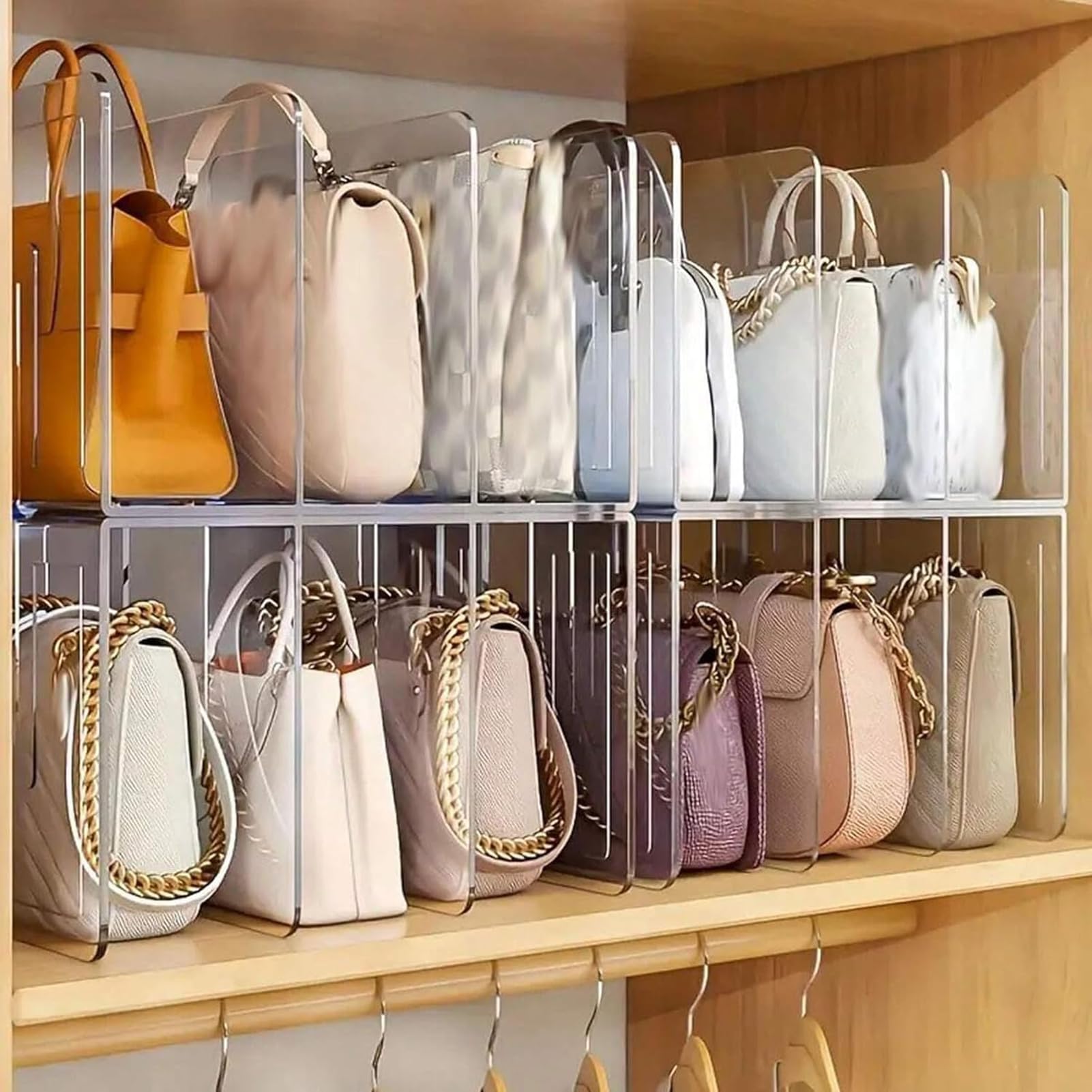
Proper Storage for Handbags and Purses
Handbags lose their appeal quickly when slouched or overstuffed.
How to Keep Bags in Shape
- Stuff bags with acid-free tissue paper or clean cotton fabric
- Store upright on shelves, not hanging by straps
- Use dust bags or pillowcases for protection
- Avoid stacking bags to prevent pressure marks
Avoid:
Plastic covers, which trap moisture and encourage mold growth.
Storing Scarves Without Wrinkles or Snags
Scarves can crease easily and snag if stored carelessly.
Smart Scarf Storage Ideas
- Roll instead of folding to reduce creases
- Store silk scarves in drawers with dividers
- Use hangers with loops for lightweight fabrics
- Keep scarves away from sharp accessories
Fabric care note:
Always store scarves clean to prevent stains from setting over time.
Belt Storage That Prevents Cracking
Belts—especially leather ones—can crack if folded incorrectly.
Ideal Belt Storage Methods
- Hang belts vertically on hooks or belt hangers
- Roll belts loosely if drawer storage is needed
- Keep away from heat and direct sunlight
Leather belts benefit most from cool, dry storage environments.
Sunglasses and Watches: Small Items, Big Care Needs
These accessories are compact but fragile.
How to Store Them Properly
- Use hard cases for sunglasses to prevent scratches
- Store watches flat or in padded watch boxes
- Keep items away from magnetic surfaces
- Clean lenses and straps before storing
Good habit:
Never toss sunglasses loose into bags or drawers.
General Storage Tips for All Accessories
No matter the accessory type, these principles apply universally.
Golden rules
- Avoid humidity and extreme temperatures
- Keep accessories clean before storing
- Use breathable materials, not plastic
- Rotate use to prevent long-term pressure or creasing
An organized storage system protects both function and appearance.
Frequently Asked Questions
How often should I clean accessories before storing them?
Clean accessories after heavy use or before long-term storage to prevent buildup and stains.
Is it safe to store accessories in a closet?
Yes, as long as the closet is dry, well-ventilated, and away from direct sunlight.
Can I store different accessories together?
Only if they are separated properly. Mixing items without dividers increases the risk of damage.
What’s the best way to store accessories in small spaces?
Use vertical storage like hooks, drawer organizers, and stackable trays to maximize space safely.
Should seasonal accessories be stored differently?
Seasonal items should be cleaned and stored in breathable containers when not in use.
How do I prevent mold on accessories?
Control humidity with silica packets, avoid plastic storage, and ensure good air circulation.
Are travel storage cases safe for long-term use?
They’re fine short-term, but long-term storage should allow more airflow and less compression.
Taking time to store accessories correctly is a small effort that delivers long-term rewards. With thoughtful organization and proper care, your accessories will stay stylish, functional, and damage-free—ready whenever you need them.
Comments are closed.