

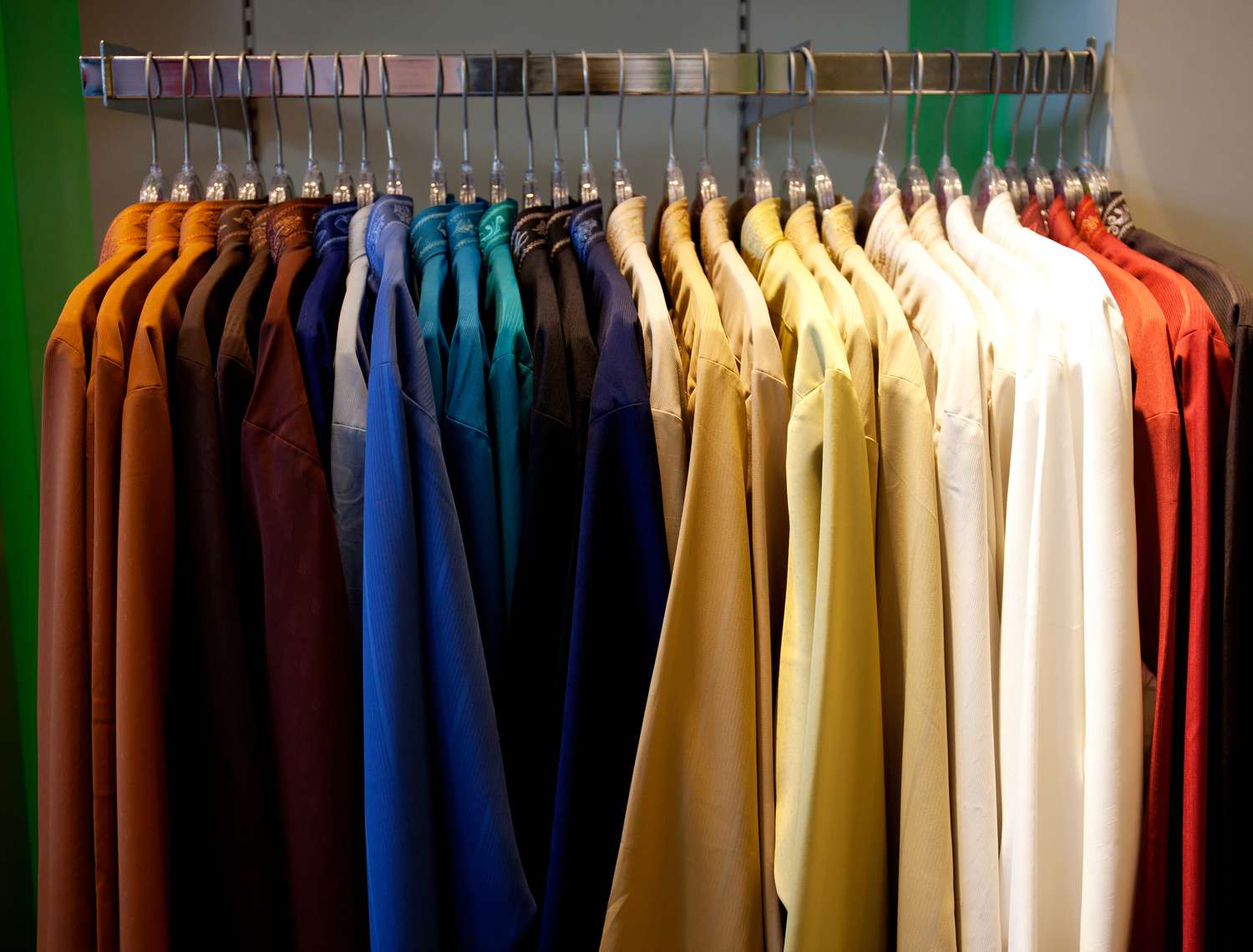
Clothing is more than just a means to cover the body. It is a reflection of culture, personal identity, and social trends while also serving essential functional purposes. From protecting against environmental factors to expressing individuality, clothing has evolved dramatically over centuries. Understanding the intricate interplay between material, design, and purpose offers insight into its ongoing influence on society.
The Evolution of Clothing
Clothing has undergone significant transformations from ancient civilizations to modern fashion. Early humans relied on natural materials such as animal hides and plant fibers for protection against climate extremes. These rudimentary garments were functional, prioritizing warmth and durability over aesthetics.
As societies advanced, clothing became a marker of social status. In ancient Egypt, silk and linen garments indicated wealth and rank, while in medieval Europe, specific fabrics and colors were reserved for nobility. The Industrial Revolution further revolutionized clothing by introducing mass production, making garments more accessible while simultaneously fueling trends that emphasized personal expression and style.
Materials and Fabrics
Understanding clothing begins with fabrics, which directly influence comfort, durability, and style. Materials are broadly categorized into natural and synthetic fibers.
Natural Fibers
- Cotton: Widely used for its breathability and softness, cotton is a staple in casual and formal wear alike.
- Wool: Known for insulation and warmth, wool is favored in winter clothing and outdoor apparel.
- Silk: Luxurious and smooth, silk is often associated with formal attire due to its delicate texture and sheen.
- Linen: Lightweight and absorbent, linen is ideal for hot climates and summer clothing.
Synthetic Fibers
- Polyester: Durable, wrinkle-resistant, and quick-drying, polyester dominates activewear and everyday garments.
- Nylon: Strong and elastic, nylon is often incorporated into sportswear and outerwear.
- Spandex: Offering exceptional stretch, spandex enhances comfort and flexibility in athletic and casual clothing.
Blending natural and synthetic fibers has also become common, combining comfort with performance. For instance, cotton-polyester blends provide breathability while reducing wrinkles, catering to practical yet stylish clothing needs.
Functional Aspects of Clothing
Clothing serves multiple functional purposes beyond aesthetics. Recognizing these functions helps explain why certain garments are designed the way they are.
Protection
Clothing provides protection against environmental hazards such as:
- Weather conditions: Jackets, coats, and rain gear shield against cold, wind, and precipitation.
- Sun exposure: Lightweight fabrics with UV protection prevent sunburn and long-term skin damage.
- Occupational hazards: Specialized workwear like flame-resistant uniforms or high-visibility vests ensures safety in hazardous environments.
Comfort and Adaptability
Modern clothing is engineered to enhance comfort, with innovations such as moisture-wicking fabrics, breathable meshes, and ergonomic designs. Adaptable clothing, including convertible pants or modular outerwear, allows individuals to adjust garments according to environmental or situational needs.
Psychological and Social Functions
Clothing conveys messages about identity, personality, and social affiliations. Choices in color, style, and accessories can signal:
- Professionalism: Suits and formal attire convey competence and authority in workplace settings.
- Cultural identity: Traditional garments like kimonos, saris, and kilts reflect heritage and cultural pride.
- Lifestyle preferences: Activewear or streetwear often communicates personal interests or subcultural alignment.
Fashion Trends and Personal Style
Fashion trends influence clothing preferences globally, often shaped by designers, media, and social platforms. However, personal style remains a key factor in clothing choices. Individuals curate wardrobes that balance trends with their personal aesthetic, comfort, and practicality.
The Role of Technology
Digital innovations have transformed the fashion industry. Virtual fitting rooms, AI-driven design software, and 3D printing enable personalized clothing experiences. These technologies not only enhance user convenience but also reduce waste by minimizing returns and production errors.
Sustainable Fashion
Sustainability has become a critical consideration in clothing production. Ethical fashion emphasizes:
- Eco-friendly materials: Organic cotton, bamboo, and recycled fabrics reduce environmental impact.
- Fair labor practices: Ensuring safe and equitable conditions for garment workers.
- Circular fashion: Promoting garment reuse, recycling, and upcycling to minimize waste.
Consumers increasingly prioritize sustainability, seeking brands and garments that align with environmental and ethical values.
Clothing Care and Maintenance
Proper care extends the lifespan of garments while preserving their appearance. Key practices include:
- Washing: Following label instructions, using gentle detergents, and avoiding high heat can prevent damage.
- Storage: Hanging delicate fabrics, folding knits, and using garment bags for seasonal items maintains shape and texture.
- Repairs: Minor fixes, such as mending seams or replacing buttons, enhance durability and reduce unnecessary waste.
Advanced laundering techniques, like cold-water washing and air drying, also contribute to energy conservation while preserving fabric integrity.
The Intersection of Culture and Clothing
Clothing often reflects cultural values, rituals, and traditions. Festivals, ceremonies, and religious practices influence garment selection and design. For example:
- Wedding attire varies significantly worldwide, from white gowns in Western cultures to vibrant lehengas in Indian weddings.
- Traditional costumes symbolize regional identity and history, often incorporating handcrafted textiles, embroidery, and symbolism.
Understanding cultural contexts enriches appreciation for the diversity and significance of clothing beyond mere functionality.
The Future of Clothing
The clothing industry continues to evolve in response to technological, environmental, and social pressures. Emerging trends include:
- Smart textiles: Fabrics embedded with sensors for health monitoring, temperature regulation, and interactive features.
- 3D-printed garments: Customizable clothing that reduces waste and production time.
- Biodegradable fabrics: Innovations in plant-based and lab-grown materials aimed at reducing pollution and landfill accumulation.
These advancements suggest a future where clothing merges style, technology, and sustainability seamlessly.
Frequently Asked Questions About Clothing
What is the most versatile fabric for daily wear?
Cotton is widely regarded as the most versatile fabric due to its softness, breathability, and adaptability across seasons and styles.
How can I make my clothing more sustainable?
Opt for eco-friendly fabrics, purchase durable items, practice proper garment care, and consider second-hand or upcycled clothing to minimize environmental impact.
What clothing is best for extreme weather?
Layering is essential. For cold climates, combine thermal underlayers, insulating mid-layers like wool, and waterproof outer layers. In hot climates, lightweight, breathable fabrics with UV protection are recommended.
How does clothing influence first impressions?
Clothing often shapes perceptions of professionalism, personality, and social status. Well-chosen attire can enhance credibility and confidence in personal and professional interactions.
Can technology improve clothing functionality?
Yes, innovations like moisture-wicking fabrics, temperature-regulating textiles, and wearable tech enhance comfort, convenience, and performance.
Clothing, in all its forms, continues to play a vital role in human life, blending practicality with artistic expression. By understanding its materials, functions, cultural significance, and future innovations, individuals can make informed choices that reflect their identity, values, and lifestyle.
Comments are closed.