

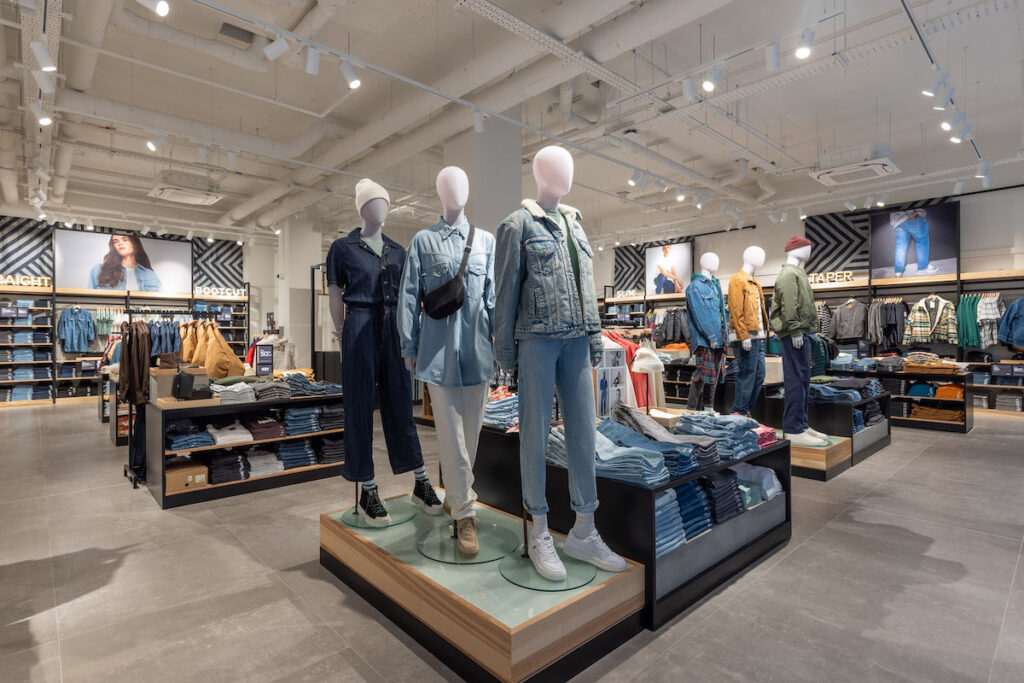
Shopping at an outlet store has evolved into a sophisticated experience that goes beyond simple bargains. For many, the phrase outlet store conjures images of discounted prices, brand-name merchandise, and bustling shopping centers. However, understanding the nuances of outlet stores can enhance your shopping strategy, ensuring you get high-quality products at unmatched value. This article explores the essence of outlet stores, their history, benefits, and strategies to maximize your shopping experience.
Understanding Outlet Stores
An outlet store is a retail establishment where manufacturers sell their products directly to consumers, often at reduced prices. Unlike traditional retail stores, outlet stores focus on providing surplus, out-of-season, or specially manufactured items at lower prices. This model allows brands to manage inventory efficiently while giving shoppers access to premium products without the hefty retail markup.
Outlet stores are typically part of larger shopping complexes, known as outlet malls or outlet centers, which may host dozens or even hundreds of stores. These centers often feature a mix of luxury, mid-tier, and everyday brands, offering an extensive selection to meet various consumer needs.
The Evolution of Outlet Stores
Outlet stores have their origins in the early 20th century when manufacturers sought ways to sell excess or slightly imperfect merchandise directly to the public. Originally, these outlets were simple factory-adjacent shops offering a limited selection at discounted rates. Over time, the concept evolved into sophisticated retail destinations designed to attract shoppers from across regions, blending entertainment, dining, and shopping into a single experience.
Today, outlet stores are no longer just clearance centers. They serve as a strategic retail channel that allows brands to extend their market reach, maintain pricing integrity in their regular stores, and cater to value-conscious consumers without diluting the brand’s premium image.
Advantages of Shopping at Outlet Stores
Shopping at outlet stores offers a host of benefits that appeal to both budget-conscious and savvy shoppers. Here are the primary advantages:
Cost Savings
One of the most obvious benefits is significant cost savings. Products sold in outlet stores are often 25% to 65% cheaper than their original retail prices. These discounts are made possible because outlet stores primarily stock:
- Overproduced items
- Last season’s collections
- Factory seconds with minor imperfections
- Specially manufactured products for outlets
These strategies allow consumers to access brand-name products at a fraction of the standard cost without compromising quality.
Access to Exclusive Items
Outlet stores frequently carry exclusive merchandise that is not available in regular retail outlets. These items may include:
- Limited edition designs
- Special collaborations
- Unique sizes or color variations
This exclusivity adds an element of novelty for shoppers who enjoy discovering rare finds that enhance their personal style or collection.
Enhanced Shopping Experience
Many outlet centers are designed as destination shopping locations, offering more than just retail. Shoppers can enjoy:
- Family-friendly dining options
- Entertainment zones and playgrounds
- Seasonal events and promotions
- Ample parking and spacious layouts
These features make outlet stores appealing for leisurely shopping trips and provide a more engaging and enjoyable experience than conventional malls.
How to Maximize Savings at an Outlet Store
Maximizing the value of an outlet store visit requires a strategic approach. Savvy shoppers employ several methods to ensure they get the best deals:
Research Before You Go
Before visiting an outlet store, spend time researching products and prices online. Knowing the standard retail price of an item ensures that discounts are genuine and helps avoid overpaying. Many outlet centers provide online catalogs and promotions, making it easier to plan your shopping trip.
Shop Off-Season
Timing is crucial. Outlet stores often rotate inventory based on seasonality. For example, purchasing winter apparel during summer can yield substantial savings. Similarly, buying summer clothing in late fall can help shoppers acquire items at deep discounts for the next season.
Sign Up for Rewards and Newsletters
Many outlet stores offer loyalty programs and newsletters that provide early access to promotions, coupons, and exclusive events. Subscribing to these programs allows shoppers to benefit from extra savings beyond standard outlet discounts.
Inspect Products Carefully
While outlet stores typically offer high-quality items, some merchandise may have minor imperfections. Carefully inspect products for defects, stitching issues, or irregular sizing. Most outlets clearly mark factory seconds, and understanding these labels helps you make informed purchasing decisions.
Common Misconceptions About Outlet Stores
Despite their popularity, outlet stores are sometimes misunderstood. Addressing these misconceptions can help shoppers make more informed choices.
Outlet Stores Are Only for Cheap Products
Many believe outlet stores are filled solely with low-quality items. In reality, outlet merchandise often meets the same quality standards as regular retail products. While some items may be surplus or specially manufactured, the majority are genuine brand-name goods.
Discounts Are Always the Best Value
Shoppers sometimes assume that a discounted price is always a bargain. True savings come from comparing outlet prices with regular retail and online stores. Some items may be discounted because they are overproduced or out-of-season, while others may not be as significant a deal as they appear.
All Outlet Products Are Last Season
While outlets do stock past-season items, many stores also carry current-season merchandise produced specifically for outlet sales. This allows consumers to find trendy items alongside classic favorites.
Types of Outlet Stores
Outlet stores vary in format and offerings. Understanding these differences can help you navigate options effectively.
Factory Outlets
These outlets are directly operated by manufacturers and typically offer the most authentic brand experience. Prices are generally lower, and the product selection may include exclusive items made specifically for the outlet channel.
Independent Outlet Stores
Not tied to a specific manufacturer, these stores sell a variety of brands under one roof. They often offer significant discounts and attract shoppers looking for variety in one location.
Online Outlet Stores
With the rise of e-commerce, many brands now offer online outlet platforms. These digital outlets replicate the in-store experience, allowing shoppers to browse, compare, and purchase discounted merchandise from the comfort of home.
Real-Life Tips for Outlet Store Shopping
To enhance your outlet shopping experience, consider these practical tips:
- Arrive early to access the best selections and avoid crowds.
- Bring a list of items you genuinely need to prevent impulse purchases.
- Combine outlet discounts with manufacturer coupons for additional savings.
- Be patient and explore multiple stores to find hidden deals.
- Pay attention to return policies, as some outlet purchases may have different return rules than standard retail stores.
FAQ About Outlet Stores
Are outlet store items genuine brand products?
Yes, most outlet stores sell authentic brand-name merchandise. Some items may be produced specifically for outlets, but they maintain quality standards comparable to regular retail products.
Can you negotiate prices at outlet stores?
Typically, outlet prices are fixed, but occasional promotions, bulk discounts, or loyalty programs can provide additional savings.
Is it better to shop online or in-store?
Both have advantages. In-store shopping allows you to inspect items and try them on, while online outlet stores provide convenience, broader selection, and access to exclusive online deals.
Do outlet stores sell defective items?
Some items, labeled as factory seconds, may have minor imperfections. Most products are flawless, but it’s essential to check each item carefully to ensure satisfaction.
How often do outlet stores update inventory?
Outlet stores frequently rotate stock based on seasons, promotions, and production schedules. Visiting regularly increases the likelihood of discovering new deals and exclusive items.
Conclusion
Outlet stores offer a unique blend of value, variety, and experience that appeals to shoppers across the spectrum. From cost savings and exclusive items to destination shopping experiences, these stores provide more than just discounted merchandise. By understanding the nuances of outlet shopping, employing strategic tactics, and being aware of common misconceptions, consumers can maximize their purchases while enjoying the thrill of finding high-quality products at unbeatable prices.
Outlet stores remain a staple in the retail landscape, catering to shoppers who seek smart spending without compromising on style, quality, or variety.
Comments are closed.