

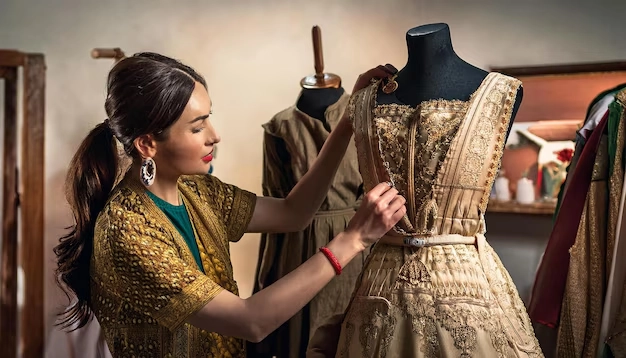
Fashion is a dynamic, ever-evolving form of human expression that goes beyond clothing and accessories. It reflects culture, social status, and personal identity while integrating innovation, sustainability, and creativity. The influence of fashion extends into daily life, shaping the way people perceive themselves and interact with the world. Fashion is both an art and a business, encompassing centuries of history, societal shifts, and cutting-edge technology that continue to redefine how we present ourselves.
The Historical Roots of Fashion
Understanding fashion requires exploring its rich history. Each era has contributed to shaping contemporary style and influencing global trends.
Ancient Civilizations and Symbolism
- Egyptian Fashion: Clothing in ancient Egypt was closely tied to status and religion. Linen garments, adorned with jewelry and decorative accessories, communicated social rank. Colors held symbolic significance, with gold denoting divinity and blue representing protection.
- Greek and Roman Influence: Greek and Roman societies popularized draped fabrics like togas and chitons. These garments emphasized natural human form and elegance, setting a foundation for Western fashion principles like proportion and flow.
Medieval to Renaissance Fashion
- Medieval Europe: Fashion was primarily functional, but clothing also indicated social hierarchy. Luxurious fabrics such as silk and brocade were reserved for nobility, while sumptuary laws restricted the use of certain materials based on class.
- Renaissance Era: Clothing became more elaborate, with intricate embroidery and vibrant colors reflecting wealth and cultural sophistication. Fashion during this period celebrated artistry, craftsmanship, and individuality.
The 20th Century Fashion Revolution
- Early 1900s: The Edwardian silhouette favored structured garments, corsets, and refined elegance.
- 1920s Flapper Era: Women embraced shorter hemlines, looser fits, and freedom of movement, reflecting social liberation and changing norms.
- Mid-20th Century: Iconic designers like Coco Chanel redefined simplicity, elegance, and wearable fashion. Ready-to-wear collections expanded accessibility and democratized style.
- Late 20th Century: Streetwear emerged alongside haute couture, signaling a blend of casual comfort with high fashion. The global fashion industry became increasingly interconnected, influenced by media and popular culture.
Fashion as a Cultural and Social Phenomenon
Fashion is more than aesthetics; it serves as a lens into society, offering insight into values, norms, and historical contexts.
Self-Expression and Identity
Clothing is a visual language. People curate wardrobes to communicate personality, mood, or social stance. From minimalistic ensembles to bold, statement-making outfits, fashion enables nuanced self-expression.
Social Hierarchy and Perception
Throughout history, clothing has indicated social status and wealth. Today, while fashion is more accessible, elements like craftsmanship, exclusivity, and limited editions continue to convey sophistication and prestige.
Globalization and Cultural Exchange
Fashion is now a global conversation. Social media, celebrity influence, and online platforms accelerate trend dissemination, allowing cross-cultural inspiration. A style originating in one country can influence designers and consumers worldwide in a matter of days.
Sustainability and Ethical Fashion
The modern fashion industry faces scrutiny for environmental and ethical concerns. Fast fashion contributes to significant waste and pollution, prompting a shift toward sustainable practices.
Core Principles of Sustainable Fashion
- Eco-Friendly Materials: Organic cotton, bamboo, hemp, and recycled fabrics reduce environmental impact.
- Ethical Production: Fair wages, safe working conditions, and transparent supply chains ensure ethical labor practices.
- Circular Fashion: Promotes reusing, recycling, and repurposing garments to extend product lifecycles.
- Slow Fashion: Encourages purchasing fewer, higher-quality pieces to reduce consumption and support durability.
Real-Life Implications
Sustainable fashion reflects a broader societal consciousness. Many brands now provide transparency reports and certifications for eco-friendly materials, allowing consumers to make informed, responsible choices.
Contemporary Fashion Trends
Modern fashion combines tradition with innovation, reflecting cultural, technological, and social changes.
Technology in Fashion
- Virtual Runways: Digital platforms allow global audiences to experience fashion shows without geographic limitations.
- 3D Printing and Smart Fabrics: Innovations in textiles enable custom designs, interactive materials, and adaptive garments.
- Augmented Reality Shopping: Virtual try-ons improve online shopping experiences and reduce product returns.
Inclusivity and Gender Fluidity
Fashion increasingly embraces non-binary and gender-neutral designs. Clothing transcends traditional norms, offering versatility and reflecting societal movements toward equality and self-expression.
Streetwear Meets Luxury
Streetwear’s integration with high fashion demonstrates cultural convergence. Sneakers, hoodies, and casual wear now feature in luxury collections, reflecting the democratization of style and the blending of casual and formal aesthetics.
Fashion in Everyday Life
Fashion influences practical aspects of daily life, including professional image, social interactions, and personal confidence.
Wardrobe Strategies
- Capsule Wardrobes: Focus on versatile, high-quality pieces that can be mixed and matched efficiently.
- Seasonal Adaptation: Selecting clothing based on weather, events, and cultural context ensures functionality and relevance.
- Personal Branding: Fashion shapes perception in professional and social contexts, enhancing credibility, creativity, and personal identity.
Psychological and Emotional Impact
Clothing impacts confidence, mood, and social engagement. Wearing styles that align with personal identity or cultural heritage fosters self-assurance and positive self-expression.
Fashion and Technology: The Digital Era
The digital revolution is transforming how fashion is designed, consumed, and experienced.
Online Marketplaces and Social Media
E-commerce platforms and social media channels allow real-time access to global trends. Influencers and user-generated content play pivotal roles in shaping consumer preferences.
Virtual and Augmented Reality
Virtual reality (VR) and augmented reality (AR) technologies enable interactive shopping and personalized experiences, from virtual fitting rooms to digital fashion avatars.
Artificial Intelligence in Design
AI tools assist designers in predicting trends, optimizing supply chains, and personalizing fashion recommendations for consumers, bridging creativity with efficiency.
Frequently Asked Questions About Fashion
How can fashion express individuality?
Fashion allows people to visually communicate personality, values, and mood. By selecting colors, textures, and styles, individuals project a curated version of themselves to the world.
What makes fashion sustainable?
Sustainable fashion emphasizes eco-friendly materials, ethical labor practices, and circular consumption, including recycling, reusing, and investing in durable clothing.
How does fashion influence social perception?
Clothing choices can convey professionalism, creativity, and social status. Well-curated wardrobes can enhance personal branding and influence first impressions.
What is the role of technology in fashion today?
Technology enables innovation in design, shopping, and production. Virtual runways, smart fabrics, AI-assisted design, and AR try-ons transform how fashion is created and experienced.
How do I stay updated with fashion trends?
Follow fashion publications, online influencers, designer collections, and industry reports. Engaging with fashion communities and attending digital or live events helps maintain awareness of emerging trends.
Fashion is a complex interplay of history, culture, technology, and self-expression. It is more than clothing; it is an evolving language that communicates identity, creativity, and societal shifts. From sustainable practices to digital innovation, fashion continues to reflect human ingenuity and cultural evolution, offering endless possibilities for personal and collective expression.
Comments are closed.