

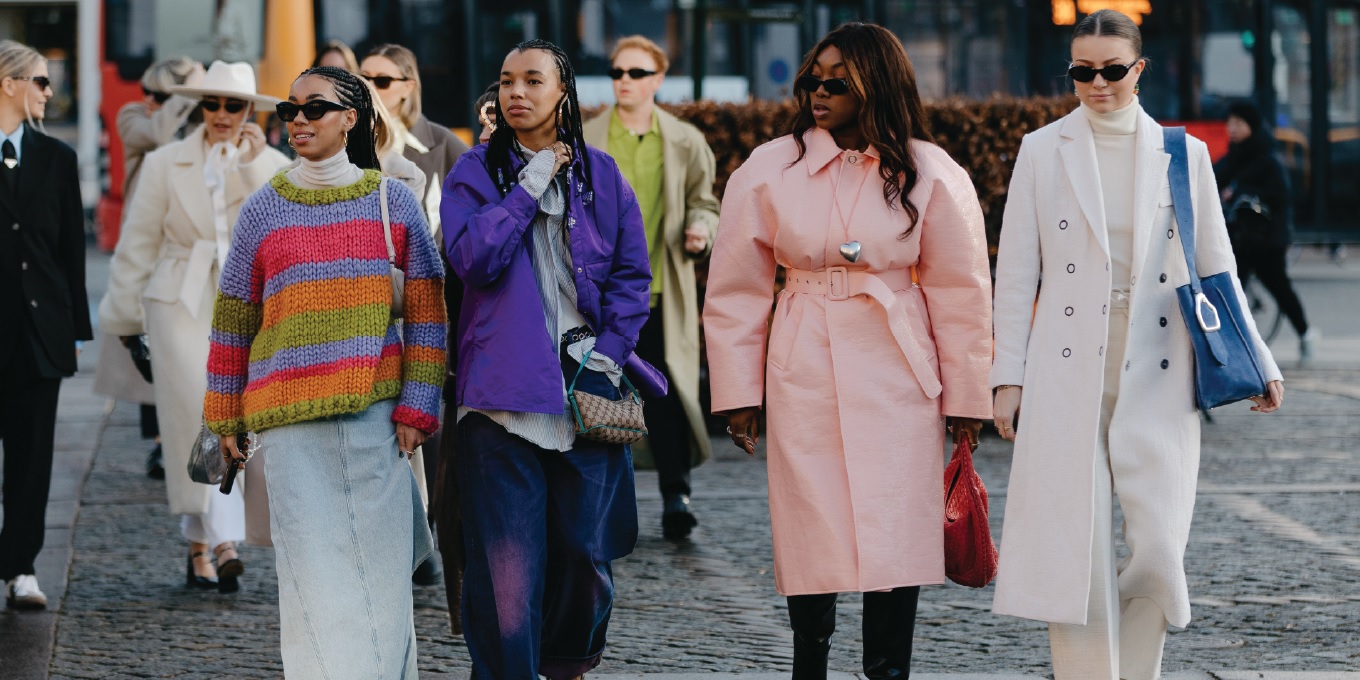
Fashion is more than just clothing; it is a dynamic form of self-expression, cultural identity, and artistic creativity. From the streets of New York City to the runways of Paris and Milan, fashion continues to evolve, reflecting societal changes, technological advances, and individual creativity. This article delves deeply into the multifaceted world of fashion, exploring its history, cultural significance, sustainability concerns, and modern trends while providing insights into how fashion influences daily life and global industries.
The Historical Evolution of Fashion
Fashion has been a reflection of societal values, technological progress, and cultural movements throughout history. Understanding its evolution helps us appreciate the depth and complexity of contemporary fashion.
Ancient Fashion
- Egyptian Influence: Ancient Egyptians utilized linen garments, adorned with intricate jewelry and headdresses, which signified status and social hierarchy. Color choices often carried symbolic meaning, with white representing purity and gold indicating divinity.
- Greek and Roman Styles: Togas and draped garments reflected classical aesthetics, emphasizing simplicity and elegance. These styles influenced Western fashion for centuries and introduced concepts like flowing silhouettes and drapery.
Medieval and Renaissance Fashion
- Medieval Clothing: Fashion in medieval Europe was marked by functional garments, layered fabrics, and the distinction of nobility through elaborate clothing. Sumptuary laws controlled who could wear specific materials, underscoring class divisions.
- Renaissance Flourish: During the Renaissance, fashion became more ornate, with rich fabrics like velvet and silk and intricate embroidery. Clothing began to express not just social status but personal wealth and influence.
20th Century Fashion Revolution
- Early 1900s: The Edwardian era introduced the S-bend corset and an emphasis on structured elegance.
- 1920s Flapper Era: Women embraced shorter hemlines, loose silhouettes, and freedom of movement, reflecting social liberation.
- Mid-20th Century: Designers like Coco Chanel and Christian Dior transformed fashion with innovative cuts, simplicity, and the concept of “ready-to-wear” clothing.
- Late 20th Century: Streetwear emerged alongside haute couture, and the global fashion market became more accessible due to mass production and media influence.
The Cultural Significance of Fashion
Fashion is deeply intertwined with cultural identity, societal norms, and personal expression. It acts as a mirror of the era and the values of a community.
Fashion as Self-Expression
Clothing choices communicate personality, mood, and personal beliefs without a word spoken. Individuals curate wardrobes to reflect unique identities, from minimalist aesthetics to eclectic combinations of bold patterns.
Fashion and Social Status
Historically, fashion signified social hierarchy. Today, while more democratized, fashion still influences perceptions of success, authority, and style literacy. Designer brands, limited-edition releases, and luxury materials can convey exclusivity and taste.
Fashion and Globalization
The rise of global communication has transformed fashion into a worldwide phenomenon. Trends emerge almost instantaneously across continents, facilitated by social media platforms, fashion blogs, and celebrity influence. This global reach accelerates the diffusion of styles and fosters cross-cultural inspiration.
Sustainable Fashion: An Ethical Imperative
As awareness of environmental and social issues grows, sustainable fashion has become a critical focus for designers and consumers alike. Fast fashion’s rapid production cycles contribute significantly to waste and pollution, necessitating a shift toward more responsible practices.
Key Elements of Sustainable Fashion
- Eco-Friendly Materials: Organic cotton, bamboo, hemp, and recycled fabrics reduce environmental impact.
- Ethical Manufacturing: Ensuring fair wages, safe working conditions, and ethical labor practices is essential for sustainable fashion.
- Circular Fashion: Emphasizes reusing, recycling, and repurposing garments to extend lifecycle and minimize waste.
- Slow Fashion Movement: Encourages consumers to invest in quality pieces, reduce frequent consumption, and focus on durability.
Real-Life Implications
Sustainable fashion is not just a trend; it represents a growing consciousness among consumers. Many brands now provide transparency reports, traceable supply chains, and environmentally certified products to build credibility and encourage ethical purchasing decisions.
Modern Fashion Trends and Innovations
Contemporary fashion blends tradition, technology, and innovation to create diverse expressions of style. Understanding these trends helps fashion enthusiasts, professionals, and consumers navigate an increasingly dynamic market.
Digital Fashion and Technology Integration
- Virtual Fashion Shows: Online platforms enable designers to showcase collections globally without physical constraints.
- 3D Printing and Smart Fabrics: Innovative materials allow for customizable garments, responsive textiles, and interactive fashion.
- Augmented Reality (AR) Shopping: Consumers can virtually try on clothing, enhancing online shopping experiences and reducing return rates.
Gender Fluidity and Inclusivity
Fashion is increasingly embracing non-binary and inclusive styles. Designers create clothing that transcends traditional gender norms, offering adaptable fits and versatile designs. This inclusivity reflects broader societal movements toward equality and self-expression.
Streetwear and High Fashion Intersection
The blending of streetwear and haute couture represents a cultural convergence, where sneakers meet luxury handbags and casual wear is celebrated on global runways. This hybridization signals a democratization of style and the breaking down of traditional fashion hierarchies.
Fashion in Everyday Life
Fashion impacts not only personal expression but also practical aspects of daily life, including professional environments, social interactions, and lifestyle choices.
Wardrobe Strategy
- Capsule Wardrobes: Minimalist collections prioritize versatile, high-quality pieces that mix and match seamlessly.
- Seasonal Adaptation: Adjusting clothing based on climate, professional needs, and cultural events is vital for functional fashion.
- Personal Branding: Clothing can enhance personal branding in professional or social contexts, influencing perceptions of competence, creativity, and reliability.
Fashion and Psychological Impact
Wearing clothes that align with personal style or cultural identity can significantly boost confidence, mood, and social engagement. This psychological dimension underscores why fashion remains a powerful tool beyond aesthetics.
Frequently Asked Questions About Fashion
How has fashion influenced culture?
Fashion reflects and shapes culture by representing values, social norms, and historical contexts. It can challenge societal expectations and promote individuality while maintaining communal identity.
What is the difference between haute couture and ready-to-wear fashion?
Haute couture involves custom-made, exclusive designs tailored for individual clients, often handmade with meticulous craftsmanship. Ready-to-wear fashion is mass-produced with standard sizing, making high-quality styles accessible to a broader audience.
How can I adopt sustainable fashion practices?
Focus on purchasing high-quality garments, choosing eco-friendly materials, supporting ethical brands, and reusing or recycling old clothing. Investing in versatile and durable pieces reduces environmental impact.
What role does technology play in modern fashion?
Technology enhances design, production, and shopping experiences. Innovations include virtual fashion shows, 3D-printed garments, smart textiles, and AR-enabled online shopping, enabling consumers to interact with fashion in novel ways.
How do I stay updated on fashion trends?
Follow fashion magazines, designers’ collections, social media influencers, and industry reports. Attending fashion events, subscribing to newsletters, and engaging in online fashion communities ensures you remain informed about emerging trends.
Fashion is not merely about clothing; it is a vibrant language that communicates identity, creativity, and cultural evolution. As the industry continues to integrate technology, sustainability, and inclusivity, fashion remains an ever-evolving reflection of society, offering endless possibilities for personal expression and global influence. Understanding the depth and nuances of fashion allows individuals to engage with it thoughtfully and purposefully, elevating everyday life into an art form.
Comments are closed.